


Introducing neffy®: Australia’s first needle-free adrenaline option for Anaphylaxis
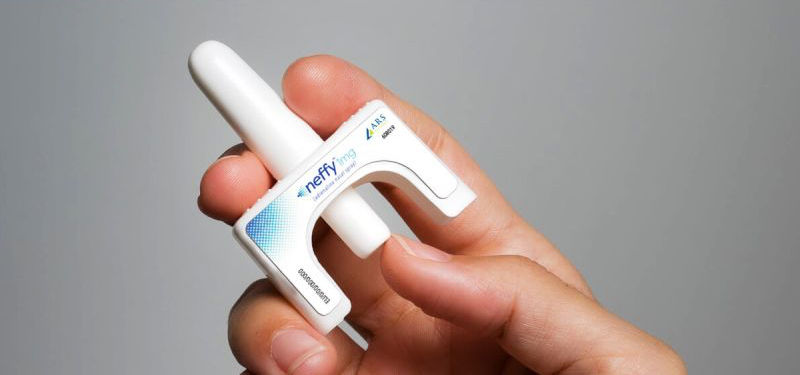
Earlier this year, Australia saw an exciting new alternative for the treatment of severe allergic reactions come onto the market.
neffy®, is a needle-free, adrenaline nasal spray designed for the emergency treatment of anaphylaxis.
It was approved by the Therapeutic Goods Administration (TGA) in December 2025 and became available in Australia from mid-February 2026.
This breakthrough new medication delivery system represents the first major alternative to adrenaline auto-injectors in more than three decades.
neffy is exciting news for anyone responsible for the care of people at risk of severe allergic reactions - particularly school staff and teachers, childcare workers, sports clubs and workplaces. While many people are familiar with devices such as the EpiPen and Anapen, neffy introduces a completely different way of delivering the life-saving adrenaline needed during an allergic emergency.
At Results First Aid, we like to keep our clients informed about any important development like this. As we provide asthma and anaphylaxis training to schools and community groups, we always stay up to date with the latest medical news to help ensure our staff always deliver training that includes any new breakthroughs in treatment or care.
Understanding the risks of Anaphylaxis
Anaphylaxis is a severe, allergic reaction that can develop rapidly and be life-threatening. The reaction can be very violent and can occur within minutes of exposure to an allergen. It often requires immediate treatment with a shot of adrenaline to help the body counteract the allergen.
Common triggers for anaphylaxis include:
Foods such as peanuts, tree nuts, milk, eggs, and shellfish
Insect stings (such as bees or wasps)
Certain medications
Latex
Symptoms of anaphylaxis may include:
Difficulty breathing or strong wheezing
Swelling of the lips, tongue or throat
Persistent coughing or hoarse voice
Collapse or dizziness
Pale or floppy appearance (especially in children)
In such cases, immediate treatment with adrenaline is critical. But until now, this has almost always meant using an auto-injector device that delivers adrenaline through a needle into the thigh because there simply has been no other alternative on the market to the EpiPen and Anapen.
What is neffy® and why is it such a breakthrough?
neffy adrenaline nasal spray is a prescription-only medication that delivers adrenaline to an anaphylaxis victim via a nasal spray rather than an injection. It is administered simply into one nostril during an anaphylactic reaction.
This needle-free approach is a key difference that makes neffy a significant development. For some individuals - particularly children, or those with needle anxiety - the idea of using an injection can create hesitation or delay during emergencies. This is a delay you do not want when time counts.
A nasal spray delivery system for the adrenaline helps remove that barrier.
A First for Australia in over 30 years
Adrenaline auto-injectors have been the standard treatment for anaphylaxis in Australia for decades. Devices like the EpiPen have been widely used since the 1990s.
The approval of neffy by the Therapeutic Goods Administration marks the first needle-free adrenaline treatment option approved in Australia in over 30 years.
The development has also been acknowledged by the Australasian Society of
Clinical Immunology and Allergy (ASCIA), the leading authority on allergy management in Australia and New Zealand.
ASCIA is currently updating its Action Plan for Anaphylaxis to include guidance on the use of neffy alongside existing adrenaline devices.
Who can use a neffy nasal adrenaline applicator?
The medication dispensed by neffy has been approved for both adults and children, with dosing based on body weight.
Two versions of neffy are available:
2 mg dose
For adults and children weighing 30 kg or more
1 mg dose
For children weighing 15 kg to 30 kg
The use of neffy as a treatment is approved for individuals aged four years and older.
As with other adrenaline medications, neffy must be prescribed by a doctor, who will determine whether it is appropriate for a patient’s individual allergy management plan.
How neffy administers the adrenaline
Unlike traditional adrenaline auto-injectors, neffy is not a puffer or inhaler used in the lungs. Instead, it is a nasal spray that delivers adrenaline through the nasal passages.
During an anaphylactic reaction, the sufferer or their carer simply sprays the neffy into one nostril. The adrenaline is then rapidly absorbed into the bloodstream through the nasal tissues.
Research has shown that neffy’s pharmacokinetic profile - the way the drug enters and moves through the body - is comparable to, or in some cases faster than, injection-based adrenaline products, with rapid absorption even when the person has nasal congestion.
This is an important point because severe allergic reactions can still happen even during illness or when nasal passages are partially blocked.
Neffy cost and availability in Australia
As of early 2026, neffy is now available in Australia via private prescription only.
Current details include:
Recommended retail price: approximately $194
Packaging: two sprays per box
Approximate cost per spray: about $97
At this stage, the medication is not listed on the Pharmaceutical Benefits Scheme (PBS). This means patients must currently pay the full cost unless private health insurance offers coverage.
PBS listing may be considered in the future as the product becomes more widely adopted.
Possible side effects of using neffy
Like all medications, neffy may cause side effects. The most commonly reported side effects so far include:
Headache
Nasal discomfort
Throat irritation
Feeling jittery or anxious
These effects are generally consistent with adrenaline medications and typically resolve as the drug wears off.
Anyone being prescribed neffy should discuss potential side effects and appropriate use with their doctor.
What should happen after neffy is used?
Just like adrenaline injections, neffy is not a complete treatment on its own.
After administering adrenaline for an anaphylactic reaction, it is critical to:
Call 000 for an ambulance and tell them the person has suffered an anaphylactic reaction
Lay the person in the recovery position (if you don’t know how please see our blog on this here - https://www.resultsfirstaid.com/post/how-to-put-someone-in-the-recovery-position
Monitor their breathing and symptoms such as swollen lips or throat etc
Prepare a second dose if symptoms persist
Note: It is important after a severe anaphylactic reaction that the person is put under medical observation in a hospital because symptoms of anaphylaxis can sometimes return after the initial reaction.
What neffy means for schools and workplaces
For schools, childcare centres and other organisations that care for children or adults with severe allergies, the introduction of neffy is important. But it does not replace existing emergency procedures.
Key points to remember include:
Staff should continue to follow any individual’s ASCIA Action Plan for Anaphylaxis.
Adrenaline must still be administered immediately at the first signs of anaphylaxis.
Emergency services must always be contacted.
Staff should be trained in recognising and responding to anaphylaxis.
Over time, training programs may begin incorporating information about nasal adrenaline sprays alongside auto-injectors.
At Results First Aid, we closely monitor updates from the Australasian Society of Clinical Immunology and Allergy to ensure our training reflects current best practice guidance.
News of another adrenaline device coming soon
Neffy is not the only new development expected in Australia’s anaphylaxis treatment scene.
Another adrenaline auto-injector called Jext has also been registered with the TGA. It is expected to become available in Australia later in 2026.
This means individuals and organisations may soon have more options than ever before when selecting the most suitable adrenaline device.
First Aid Training still remains the most important factor in handling anaphylaxis
While new medical devices like the neffy can improve accessibility and choice, the most important factor in an anaphylaxis emergency still remains early recognition and immediate treatment.
Research consistently shows that delays in administering adrenaline during a severe anaphylactic attack by whatever device can increase the risk of serious complications.
That’s why first aid training remains so important.
In our combined Asthma & Anaphylaxis Course (22702VIC/22578VIC), we focus on helping teachers and school staff to:
Recognise early signs of severe allergic reactions
Follow ASCIA Action Plans correctly
Administer adrenaline safely and confidently
Respond effectively while waiting for emergency services
Whether using a traditional auto-injector or a newer option like neffy, the goal is still the same: provide a rapid, confident response that protects the person experiencing anaphylaxis.
Looking ahead for anaphylaxis sufferers
The arrival of neffy represents a significant milestone in allergy treatment in Australia. For some individuals, particularly anyone with needle concerns, a nasal spray option may make emergency treatment easier to administer.
However, it’s important to remember that neffy is simply another tool in the anaphylaxis response toolkit. It is NOT a replacement for established medical guidance, first aid treatment or emergency procedures.
As clinical guidelines evolve and more devices become more widely used, organisations responsible for health and safety will benefit from staying informed about these developments.
At Results First Aid, we strive to always help our clients stay up to date with changes that impact first aid response in schools, workplaces and community settings.
Because when it comes to emergencies like anaphylaxis, knowledge, preparation and training can make all the difference. To book First Aid Training for your staff, including Asthma and Anaphylaxis training for schools, simply click this link https://www.resultsfirstaid.com/courses
Frequently Asked Questions
Q: What is neffy and how is it different from an EpiPen?
A. neffy is a needle-free adrenaline (epinephrine) nasal spray designed to treat anaphylaxis. Unlike traditional auto-injectors like EpiPens, which require an injection into the thigh, neffy is sprayed into the nose. This can make it less intimidating to use, especially for teachers or staff who are not medically trained. However, schools should still ensure staff are properly trained in recognising anaphylaxis and administering all available emergency treatments, including both nasal sprays and injectors.
Q: Can schools in Victoria use neffy for students with anaphylaxis?
A. Policies around anaphylaxis management in Victorian schools are guided by state regulations and individual student health plans. While neffy represents a promising new option, schools must follow current Department of Education guidelines and consult with parents and medical professionals before adopting any new medication. Regardless of the device used, staff must be trained to respond quickly and confidently to anaphylactic emergencies.
Q: Do teachers and school staff need first aid training for anaphylaxis?
A. Yes. In Victoria, schools are required to have trained staff who can recognise and respond to anaphylaxis. This includes understanding symptoms, administering adrenaline (via injector or nasal spray), and following emergency procedures. Regular, up-to-date first aid and anaphylaxis training helps ensure staff feel confident and can act fast in a life-threatening situation. Many schools choose accredited training providers like Results First Aid to meet compliance requirements and improve overall student safety.


Comments